Why Stone Remains the Ultimate Foundation Material
For thousands of years, human civilisation has relied on the natural strength of the earth to build its most enduring structures. Even today, amidst the rapid advancement of synthetic materials and complex engineering techniques, stone continues to serve as the premier foundation material for both roads and buildings. The fundamental properties of this natural resource make it uniquely suited to bear immense weight and withstand the relentless forces of nature over centuries. Engineers and architects consistently choose stone because it offers an unparalleled combination of durability, stability, and environmental harmony that artificial alternatives struggle to replicate.
Historical dominance of natural stone foundations
The historical dominance of stone in construction is evident in the ancient Roman road networks and the enduring monuments of antiquity, many of which remain intact today. These early builders recognised that crushed rock and carefully cut masonry could create a stable base capable of resisting soil movement and water erosion. Modern construction practices have refined these ancient methods, utilising heavy machinery to quarry, crush, and compact rock into highly engineered base layers. Yet, the underlying principle remains entirely unchanged, as the inherent structural integrity of stone continues to provide the essential bedrock for modern infrastructure development across the globe.
Exceptional load bearing capacity and structural stability
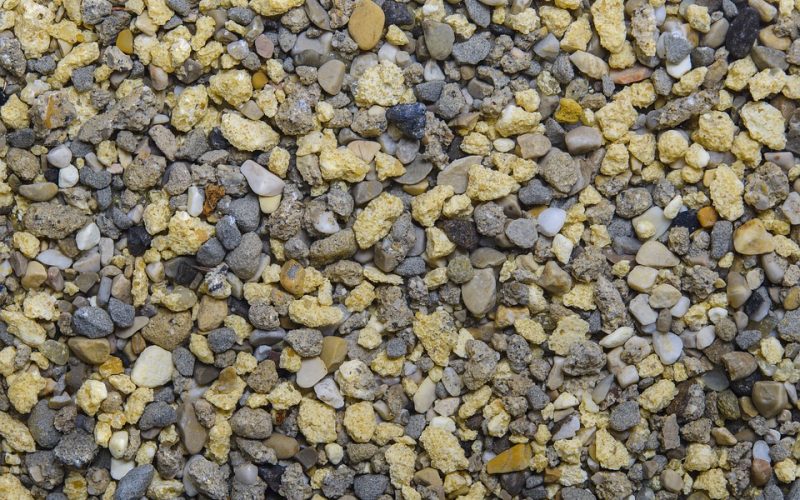
At the core of its enduring appeal is its exceptional load bearing capacity. When compacted properly, angular pieces of crushed stone interlock to form a rigid matrix that distributes weight evenly across the underlying subgrade. This interlocking mechanism prevents the shifting and settling that often plagues weaker foundation materials, ensuring that roads remain smooth and buildings remain structurally sound over time. In road construction, this stone base absorbs the immense dynamic stresses imposed by heavy traffic, while in building construction, it provides a solid footprint that effectively mitigates the risk of subsidence and structural failure.
Superior drainage properties and moisture management
Beyond its physical strength, stone offers superior drainage properties that are critical for maintaining the longevity of any construction project. Water is widely considered the greatest enemy of foundations, as poor drainage can lead to soil expansion, erosion, and eventual structural collapse. A well-constructed stone foundation naturally incorporates void spaces that allow water to percolate through the material and drain away from the site. This permeability prevents hydrostatic pressure from building up against basement walls and stops water from pooling beneath road surfaces, thereby protecting the infrastructure from the devastating effects of freeze-thaw cycles and prolonged moisture exposure.
Environmental sustainability and economic efficiency
In an era increasingly defined by environmental consciousness, stone presents a highly sustainable option for foundation construction. As a naturally occurring material, it requires minimal chemical processing or energy-intensive manufacturing compared to synthetic alternatives like concrete or steel. Furthermore, stone is entirely recyclable, allowing construction crews to repurpose material from demolished structures or degraded roads into new foundation projects. This cyclical lifespan not only reduces the carbon footprint associated with sourcing new materials but also offers significant economic advantages by lowering transportation and production costs for local municipalities and private developers alike.
The future of stone in modern construction
As engineering technology continues to evolve, the role of stone in foundation construction is being optimised rather than replaced. Geotechnical engineers now use advanced software to calculate the precise gradation of stone required for specific soil conditions, maximising the efficiency of the material. Whether supporting a towering skyscraper in a bustling metropolis or forming the base of a quiet rural highway, stone remains the silent workhorse of the built environment. Its unmatched strength, natural drainage capabilities, and sustainable profile ensure that it will continue to serve as the ultimate foundation material for generations to come.